Why sports bikes are losing popularity in 2026
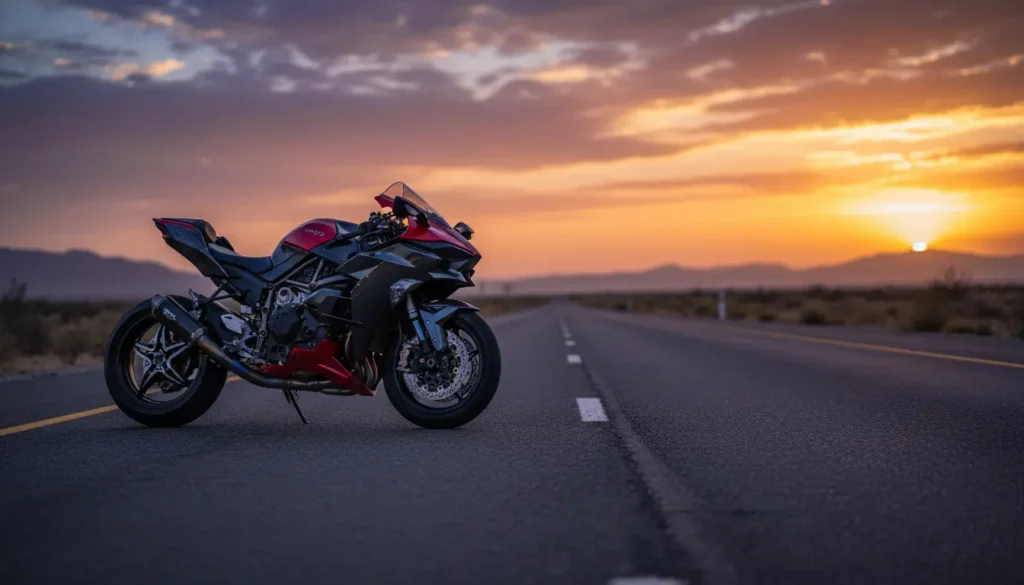
In 2026 many riders are rethinking the sports bike. Changes in technology, costs, rider priorities, and regulations are pushing people toward different types of motorcycles.
This article explains the main reasons, the alternatives riders are choosing, and practical steps if you are considering a change.
Key reasons people are ditching sports bikes in 2026
Cost and ownership downsides of sports bikes
High-performance sports bikes often come with higher purchase prices and insurance premiums. Running costs, tyres, and frequent servicing add up quickly for owners who ride aggressively.
Fuel costs and emissions concerns are also factors. Riders who commute or do mixed use find sports bikes less economical than other choices.
Safety and changing rider priorities
Sports bikes encourage high speeds and aggressive riding ergonomics, which can increase risk for everyday road conditions. Many riders now prioritize comfort, visibility, and practical handling over peak performance.
Beginners and older riders especially prefer upright seating, easier control, and lower power outputs.
Regulation, noise limits, and urban restrictions
Cities are tightening noise and emissions rules. Some local authorities restrict high-noise motorcycles on busy routes and near residential zones. These restrictions make sports bikes less practical for urban use.
Insurance and licensing changes in some regions also favor lower-displacement or electric models.
What riders are choosing instead of sports bikes
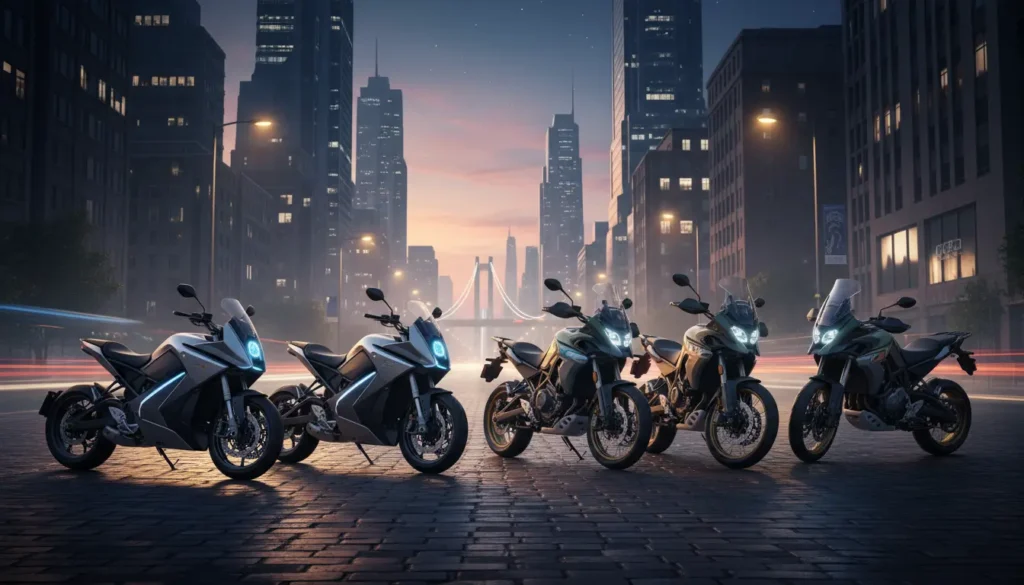
Rather than sports bikes, riders are moving toward models that match daily needs. These alternatives offer a mix of comfort, economy, and practicality.
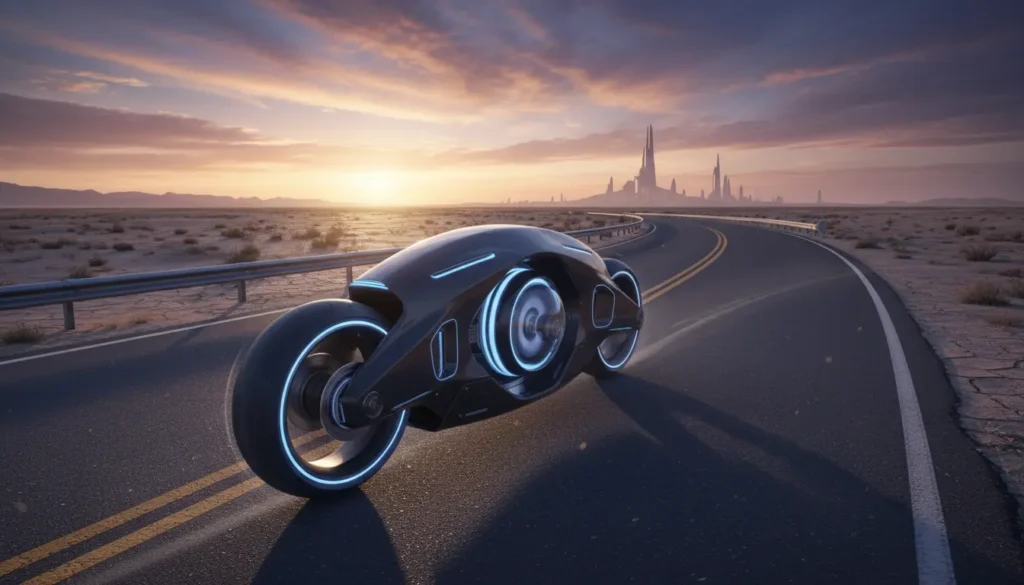
- Electric motorcycles: Quieter operation, lower running costs, and instant torque attract urban and commuting riders.
- Adventure and dual-sport bikes: Upright ergonomics, long-range capability, and versatility for on- and off-road riding.
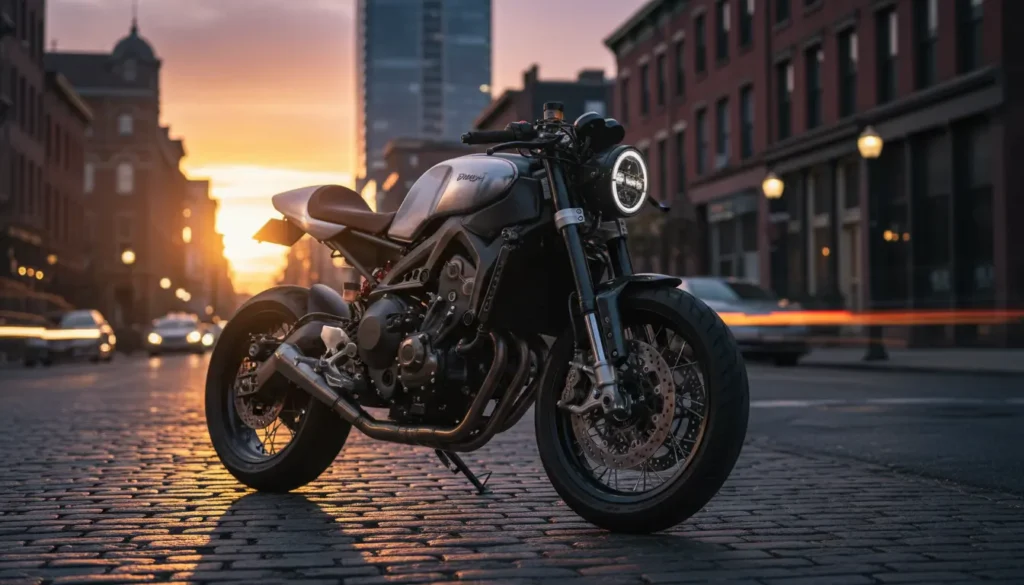
- Naked and standard bikes: Simpler maintenance, comfortable riding positions, and good all-around performance.
- Scooters and small-capacity commuter bikes: Low cost, ease of use, and better fuel efficiency for city riders.
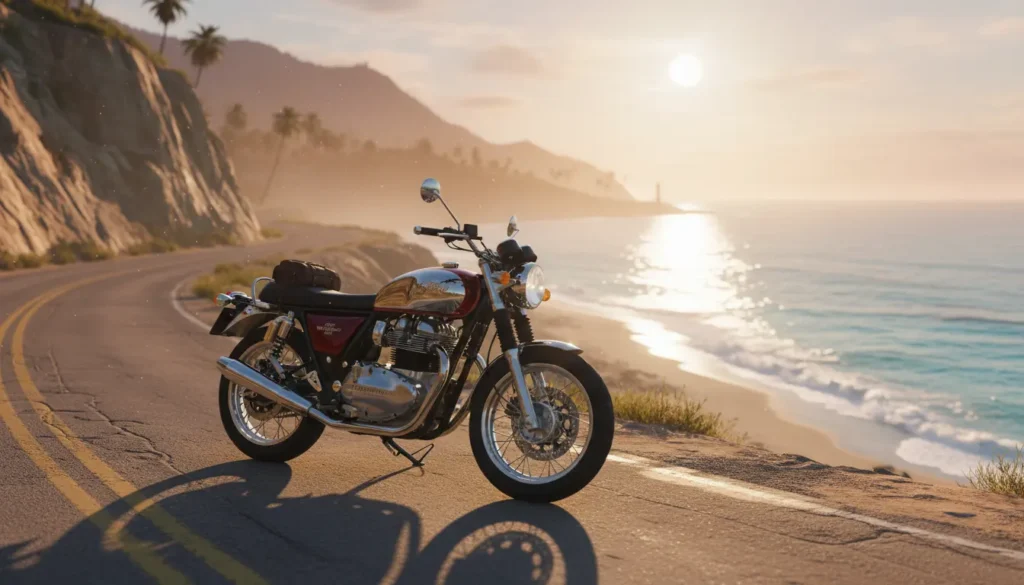
- Classic and retro-styled bikes: Lower stress riding and a focus on style and weekend enjoyment rather than top speed.
Practical advantages of alternatives
Alternatives typically cost less to insure, are easier to ride in traffic, and have longer service intervals. Electric options reduce fuel expenses and can lower maintenance because they have fewer moving parts.
Many riders say they feel safer and more comfortable choosing these models for their daily routines.
How to decide if you should switch from a sports bike
Deciding to switch depends on how you use your bike and what matters most to you. Evaluate your typical ride, budget, and comfort needs before making a change.
Checklist to evaluate your needs
- How often do you ride and what type of roads do you use?
- Is fuel cost or maintenance budget a priority?
- Do you need a bike for commuting, touring, or weekend fun?
- Are insurance costs and local regulations affecting your decision?
- Would an upright riding position or electric power improve daily comfort?
Practical steps to switch from a sports bike
If you decide to move away from a sports bike, follow a few practical steps to make the transition smoother and smarter.
- Test ride several alternatives to compare ergonomics and handling in real conditions.
- Check total ownership costs: insurance, fuel/electricity, tyres, and servicing.
- Read reviews focused on reliability and real‑world use, not just lab performance figures.
- Consider resale value: some models hold value better in current markets.
- Talk to local riders or dealers for maintenance expectations and community feedback.
Case study: A delivery fleet shifts from sports bikes to electric and commuter models
A medium-sized delivery company in a European city replaced half its sports bikes with electric motorcycles and scooters in 2025. The fleet manager reported lower fuel bills and reduced downtime for maintenance.
Insurance costs dropped for the electric group, and quieter vehicles allowed earlier morning deliveries in noise-restricted neighborhoods. The change improved daily operational efficiency despite an initial investment in charging points.
Final thoughts on why sports bikes are declining in 2026
Sports bikes are not disappearing, but their role has changed. For many riders, the trade-offs no longer match daily use. Cost, comfort, safety, and regulation are steering people toward alternatives.
If you like high performance, a sports bike can still be right for weekend track days or spirited riding. For commuting, long-distance travel, and practical urban use, consider testing electric, adventure, or naked bikes first.
Use the checklist above, do a few test rides, and weigh the full ownership costs before you switch. That practical approach will help you choose a motorcycle that fits the realities of 2026.