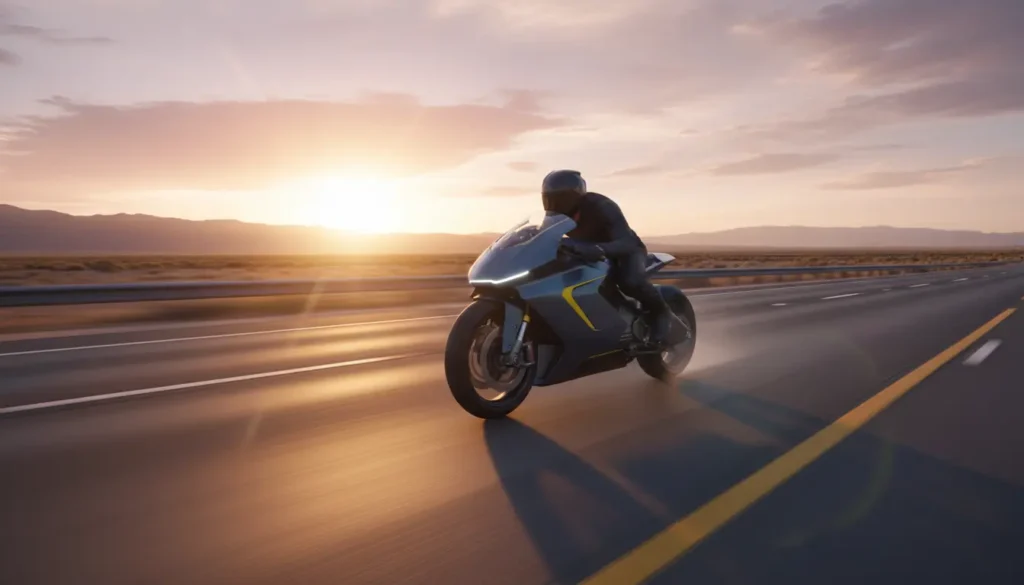
This Electric Bike Hits 150 km/h — How It Does It
Some high-performance electric bikes advertise top speeds around 150 km/h. That number comes from peak motor power, gearing and ideal conditions on a track.
It is important to understand the technical parts that make such speeds possible. Motor output, battery current, controller limits and aerodynamics all combine to reach 150 km/h.
The main components behind high speed
High-power hub or mid-drive motor capable of sustained output is the first requirement. Peak values might be several kilowatts above normal commuter e-bikes.
A high discharge battery and an advanced controller allow sustained current without thermal cutoff. Frame strength and suspension are also essential for stability.
The Huge Catch For This Electric Bike That Hits 150 km/h
Reaching 150 km/h does not mean the bike is legal or safe for public roads. Many high-speed e-bikes are built as prototypes, race machines or track-only conversions.
There are common limitations that act as the catch: regulatory class, insurance, braking capacity and rider protection requirements.
Legal and regulatory limits
Most countries cap electric bicycles at 25–45 km/h in assisted mode. Anything much faster is often reclassified as a motorcycle or illegal vehicle if not type-approved.
Buying, registering and insuring a vehicle that can reach 150 km/h usually requires motorcycle licensing, specific registration, and compliance with crash and emissions standards.
Safety and operational limits
Speed increases the need for professional-grade brakes, tires rated for high speed, and robust suspension. Ordinary e-bike components can fail at sustained high speeds.
Riders must use appropriate protective gear and ideally have track training. High speeds are risky on public roads where traffic, surface defects and visibility matter.
Performance Tradeoffs When This Electric Bike Hits 150 km/h
Designing for top speed reduces range and increases weight. High-power motors draw more battery current, shortening practical range under real conditions.
Aerodynamic fairings can help but add complexity and cost. Heat management becomes critical at sustained high output, requiring heavier cooling solutions.
- Range can drop 50% or more at high speeds compared with urban riding.
- Component wear (tires and brakes) increases faster at higher speeds.
- Maintenance intervals are typically more frequent and more expensive.
Examples of typical high-speed setup
A typical track-capable e-bike that reaches 150 km/h might use a 10–20 kW motor, a 4–10 kWh battery pack, reinforced frame and dual-disc brakes. These specs differ a lot from commuter e-bikes.
Manufacturers often mark these models as “off-road” or “closed course” for legal reasons. That phrasing indicates they are not intended for standard road use.
Before You Buy This Electric Bike That Hits 150 km/h
Check local laws first. Verify whether the e-bike’s top speed will change its legal classification in your area and what paperwork is necessary to operate it legally.
Ask the seller for documentation on braking tests, tire speed ratings and any homologation certificates. If none exist, presume it is not road legal.
Checklist for potential buyers
- Confirm vehicle classification in your jurisdiction.
- Check required license, registration and insurance rules.
- Verify braking performance and tire maximum speed rating.
- Inspect battery health, thermal management and wiring quality.
- Factor in total cost of ownership: maintenance, insurance, and possible conversion for road use.
Maintenance, Range and Real-World Use
Expect shorter battery life if you regularly ride at top speed. High discharge cycles and thermal stress will reduce pack longevity over time.
Regular checks of brake pads, tire condition and suspension are essential. Wear items will need replacing sooner than on slower bikes.
Practical operational tips
- Reserve high-speed runs for closed tracks or authorized events.
- Use a GPS speed logger to verify actual speed under safe conditions.
- Install fail-safes like temperature cutouts and a visible speed limiter switch if required by law.
Case Study: Track Test Versus Street Reality
A small independent test group modified a production e-bike with an uprated motor and battery and tested it on a closed circuit. The bike hit 150 km/h in a controlled environment with professional rider oversight.
When the same bike was taken to public roads, the rider faced legal restrictions, no insurance coverage and immediate concern about braking performance. The conclusion was clear: the setup worked on track but was not appropriate for street use.
Final Practical Advice
High top speed is an impressive metric, but it often comes with major legal and safety tradeoffs. Treat 150 km/h claims as a technical demonstration unless the bike is certified for road use.
If you are considering a high-speed e-bike, plan for registration, training, higher maintenance costs and the right protective gear. For most riders, a well-built commuter e-bike offers a safer and more practical daily experience.