I crashed the most expensive bike in the world. This article explains what happened, the immediate steps I took, and how I decided whether to repair or replace the bike. The tone is practical and instructional to help any rider facing a similar situation.
What happened when I crashed the most expensive bike in the world
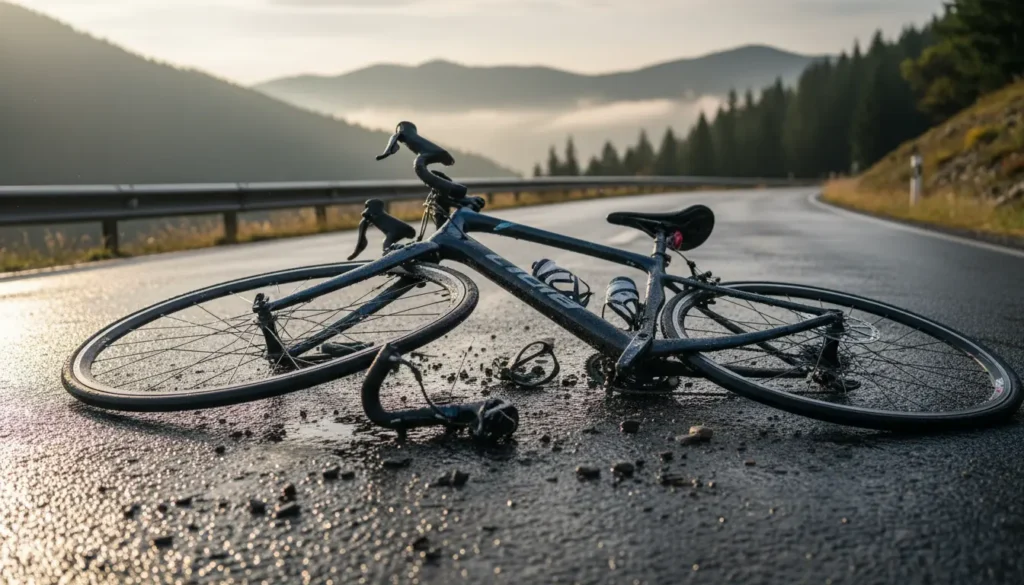
The crash happened on a damp descent after a rain shower. I hit a patch of grit, the front wheel washed out, and I went down at low speed. The bike slid and struck the guardrail before coming to rest.
My injuries were limited to bruises and a sprained wrist. The bike sustained visible damage to the downtube, fork, and rear carbon stays. The crash was a clear candidate for careful inspection rather than immediate disposal.
Immediate steps after I crashed the most expensive bike in the world
Take these safety and documentation steps before moving or repairing the bike. They protect you physically and help with insurance or warranty claims.
- Move to safety and check for injuries. Prioritize medical attention over saving the bike.
- Document the scene with photos and notes. Capture bike position, road conditions, and any obstacles.
- Do a basic stability check. If the bike can be rolled, bring it to a safe place for a detailed inspection.
- Contact your insurer or the shop that sold the bike if you have specialty coverage or warranty.
Why documentation matters
Photos and a short written account support insurance claims and help a mechanic assess hidden damage. Keep timestamps and locations where possible.
How I inspected the damage
High-end bikes often use carbon fiber and custom components. Visual checks are straightforward, but hidden damage is common. I followed an ordered checklist to avoid missing anything.
- Frame: look for cracks, soft spots, or crazing in the clear coat.
- Fork: check steerer tube alignment and surface cracks at the crown.
- Wheels: spin each wheel to detect wobble, broken spokes, or hub play.
- Handlebars and stem: inspect for compression cracks, especially under tape or paint chips.
- Groupset and wheels: examine derailleurs, brakes, and rotors for bends or impact marks.
Tools I used for the first-check
A simple set of tools helps reveal many problems without specialized equipment. I used a workstand, Allen keys, spoke wrench, and a plastic mallet for gentle tests.
Deciding between repair and replace
For expensive bikes, the decision comes down to safety, cost, and long-term value. I weighed multiple factors before committing to repairs.
- Structural damage: any visible carbon break usually means replacement or certified repair only.
- Cost: compare repair quotes from a certified carbon repair specialist to the current market value of the bike.
- Warranty and insurance: check if either covers crash damage and what documentation is required.
- Sentimental or custom value: bespoke geometry or rare parts may justify repair even at high cost.
Example decision framework
If repair costs exceed 40–60% of the bike’s market value, replacement may be more sensible. If the frame can be certified as structurally sound by a qualified repair shop, repair is a viable option.
Real world example: A case study of a $25,000 carbon road bike
In a recent case, a rider crashed a $25,000 carbon road bike at low speed. Initial damage included a cracked clear coat and a deep scratch on the downtube.
The rider documented the scene and took the bike to two specialists. One quoted $1,200 for a cosmetic repair; the other found internal delamination using ultrasound and quoted $4,500 for structural repair plus a safety certificate.
The rider’s insurer covered $3,000 after depreciation. The rider chose the certified repair and a safety inspection, which allowed continued use with confidence. Final out-of-pocket cost was $1,500, and resale value retained approximately 70% of pre-crash value because of the repair certificate.
Repair process and testing after repair
A certified carbon repair follows a few standard steps: removal of paint, bonding or replacement of damaged layers, curing, and refinishing. After repair, a thorough mechanical rebuild is essential.
Post-repair tests include load testing, alignment checks, and a careful road test on low-speed sections. Monitor for creaks, flex, or changes in handling over the first 100 miles.
Practical tips for riders
- Carry a basic roadside kit and know how to remove a wheel and inspect brakes.
- Keep clear, dated photos of your bike for insurance and resale purposes.
- Consider separate crash insurance for high-value bikes; typical homeowner policies often underinsure specialty equipment.
- After any crash, delay high-speed or group rides until a professional signs off on the bike.
Key lessons from crashing the most expensive bike in the world
The main lesson is preparation. High-value bikes require high-value documentation, careful inspection, and trusted specialists.
Act calmly: prioritize health, document the scene, and get a qualified assessment. Repair can preserve value, but safety must come first.
If you ride high-end gear, plan maintenance and insurance ahead of time. That preparation is the difference between a manageable repair and a costly surprise.