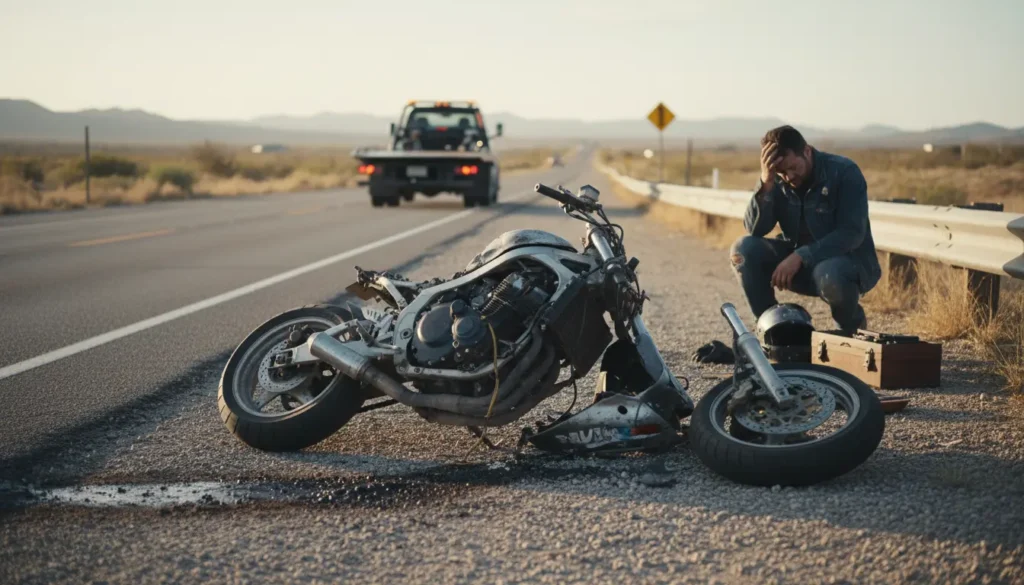
The One Bike Mistake That Cost Me 2 Lakh
I bought a used premium bike and skipped a single but crucial step: I did not complete the Registration Certificate (RC) transfer and I assumed the insurance transfer would follow easily. That one oversight led to my insurance claim being rejected after an accident. What followed—repair bills, legal paperwork, and penalties—added up to roughly ₹2 lakh.
This article explains exactly what went wrong, why it cost so much, and the practical steps you must take before buying any used motorcycle.
How The One Bike Mistake That Cost Me 2 Lakh Happened
The seller wanted a quick cash sale. I was excited and skipped the RTO visit and paperwork. I verified the bike visually and rode it, but I did not confirm the RC name change or ensure the insurance policy was properly transferred into my name.
Weeks later I met with an accident. Repairs and medical expenses were significant. When I filed an insurance claim the insurer rejected it because the policy and RC were still under the previous owner. The rejection meant I paid for almost everything out of pocket. Add to that legal advice and late fines, and the bill reached about ₹2 lakh.
Why RC and Insurance Transfer Matter
RC transfer proves legal ownership. Insurance transfer ensures claims are valid. When these are not completed, multiple risks arise:
- Insurance claims can be denied or delayed.
- Outstanding bank loans on the vehicle can lead to repossession or legal disputes.
- You might be liable for fines and penalties for improper registration or illegal modifications.
What I Failed To Check — A Short Checklist
Before buying any used bike, verify these items. I missed several and paid for it.
- Registration Certificate (RC): Confirm owner name, address, and engine/chassis numbers match the bike.
- Insurance policy: Check the expiry date, coverage type, and if the policy is transferable.
- Hypothecation: Ensure no bank loan is active on the RC (no hypothecation sticker or note).
- Service history and accident records: Ask for service book and major repair invoices.
- Police records: Make sure the bike is not listed as stolen.
- PUC and pollution compliance: Confirm legal compliance for city rules.
Step-by-Step: How To Avoid The Same Mistake
Follow a clear process to protect yourself. These steps cost little time but can save a lot of money.
- Ask for original documents and inspect RC, insurance, and service book in person.
- Match chassis and engine numbers on the bike with the RC and invoices.
- Check with the bank (if hypothecation is listed on the RC) to confirm loan closure.
- Complete a sale agreement: write buyer/seller details, bike details, sale price, and signatures. Keep copies of ID proofs.
- Visit the RTO immediately to apply for RC transfer and new registration details.
- Request insurance transfer or buy a new policy effective from the sale date. Get written confirmation from the insurer.
- Retain all receipts and the transfer application acknowledgement for future claims.
Small Real-World Case Study
Case: Ravi bought a three-year-old bike for ₹90,000. He inspected the bike, rode it, and paid cash. He assumed a verbal assurance from the seller was enough.
Two months later Ravi crashed into a divider. Repair estimates were ₹70,000 and medical bills ₹30,000. The insurer rejected the claim because the RC and policy were still in the seller’s name. Ravi paid nearly ₹1,00,000 out of pocket, lost time in legal follow-ups, and faced fines. If Ravi had completed the RC and insurance transfer at purchase, most of these costs would have been covered.
Quick Examples of Documents To Check
- Original RC (Registration Certificate) — front and back pages.
- Insurance policy copy — confirm named insured and policy validity.
- PUC certificate and pollution compliance documents.
- Service book or invoices for major work (engine rebuild, crash repairs).
- Loan closure letter if hypothecation was present.
Common Questions and Short Answers
Q: Can I claim insurance if the RC is not transferred immediately? A: Often no. Insurers usually require the transfer or formal communication; check policy terms and act fast.
Q: How long does RC transfer take? A: Time varies by RTO; many allow online submission but physical verification might be required. Start the process immediately after purchase.
Final Practical Tips
- Never buy a bike on trust alone. Documents matter more than a good test ride.
- Insist on a signed sale agreement and receipts for every payment.
- Use an escrow or bank transfer for payment if the amount is large, or meet at the RTO to complete the transfer simultaneously.
- If buying from a dealer, confirm they handle RC and insurance transfer in writing and get an expected timeline.
Buying a used bike can be smart and economical, but the paperwork is the safety net. My single mistake was skipping the RC and insurance transfer process. That cost me about ₹2 lakh in denied claims and out-of-pocket expenses. Don’t make the same error—check the documents, follow a checklist, and complete transfers immediately.