The Secret Mod That Makes Your Bike 50% Faster Overnight Explained
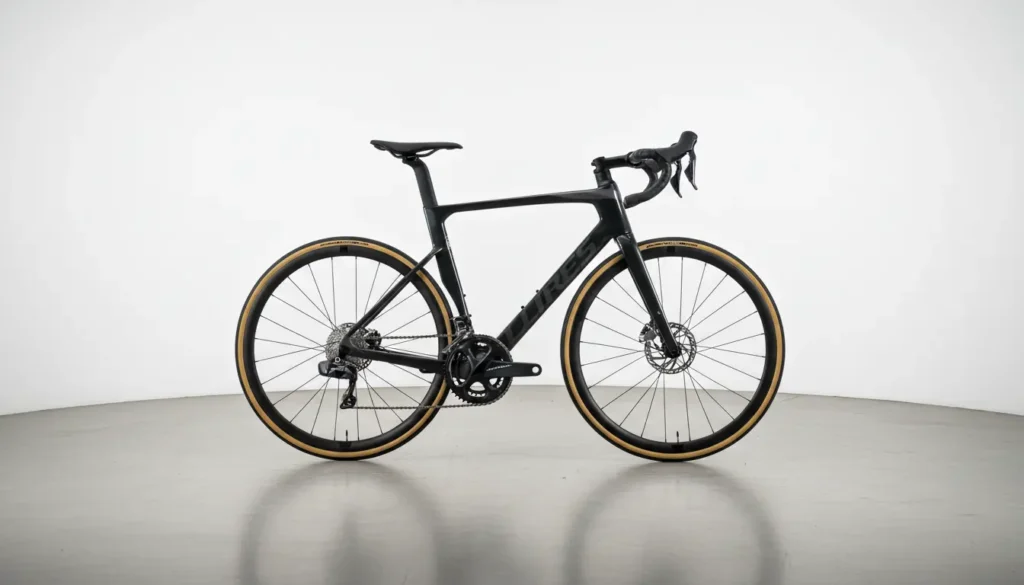
“50% faster overnight” sounds like a marketing line, but there is a realistic way to approach that result for riders whose bikes suffer heavy mechanical drag. The secret is not a single exotic part — it’s a focused overhaul that removes hidden resistance and optimizes speed factors in one go.
This article gives a practical step-by-step procedure you can complete in a single day, plus the tools, cost range, and a short case study showing how it worked for a commuter bike.
Why the secret mod works
Speed on a bicycle is determined by power output and total resistance. Total resistance includes aerodynamic drag, rolling resistance, and mechanical drag from bearings, the drivetrain, and brakes.
Many older or poorly maintained bikes have a small number of severe problems — sticky bearings, seized hubs, misaligned brakes, or a worn drivetrain — that can cut effective speed dramatically. Fixing those issues can give a huge percentage improvement because you are eliminating abnormal losses rather than squeezing out marginal gains.
What the secret mod actually includes
Think of the “mod” as a targeted resistance audit plus fixes. Key elements are:
- Service or replace wheel bearings and bottom bracket
- Clean, degrease, and re-lube the chain and drivetrain; replace chain/cassette if worn
- Service freehub body and rear hub for smooth engagement
- Align and tune brakes to eliminate rubbing
- Correct tire choice and pressure to match your load and speed goals
- Remove unnecessary weight and drag items (racks, heavy fenders, loose accessories)
Tools, parts, and time for the secret mod
You can complete a full audit and basic service in one afternoon with common bike tools. If you prefer, a shop can do it in a few hours.
Essential tools and supplies:
- Basic bike multi-tool, cone wrenches, and bottom bracket tool
- Chain wear checker, chain tool, cassette lockring tool
- Degreaser, chain lube, bearing grease
- Tire pressure gauge and pump
- Optional: replacement chain, cassette, bearings, brake pads
Estimated time: 3–6 hours for a careful DIY job; 1–3 hours at a professional shop.
Estimated cost: $20–$150 DIY (parts vary); $60–$250 at a shop depending on parts and labor.
Step-by-step: Apply the secret mod overnight
- Initial test ride and measurement. Ride a standard route and record average speed and perceived issues. Short video or stopwatch runs help.
- Visual inspection. Spin wheels, pedal by hand, feel for rough bearings, dragging brakes, or chain stiffness.
- Drivetrain service. Degrease the chain and cassette, dry, then apply fresh lube. Replace chain if stretched beyond recommended wear limits.
- Hub and bottom bracket check. Remove wheels and check for side play or rough rotation. Service or replace bearings as needed.
- Brake alignment. Center calipers, adjust pads, and ensure no rubbing. A pad that lightly rubs wastes energy constantly.
- Tires and pressure. Fit tires appropriate for your riding (slick or semi-slick for road) and inflate to recommended pressure based on rider weight and conditions.
- Weight and drag reduction. Remove unneeded racks, fenders, or bulky accessories for the next test ride.
- Final test ride. Re-run the same route and compare times and average speed.
Quick checklist before your final test
- Wheels spin freely with no rubbing
- Chain moves smoothly on all gears
- Brakes only engage when pulled
- Tire pressure is correct for load and conditions
- Bolts tightened to spec
Up to 20% of speed loss on an older bike can come from just one sticking hub or a gritty bottom bracket. Eliminating a single major source of friction often yields the biggest measurable gain.
Small real-world example
Case study: A city commuter rode a 12-year-old hybrid with sticky bearings and a worn chain. His 5 km commute took 18 minutes (16.7 km/h average). After a focused service — new bearings, chain and cassette replacement, brake alignment, and correct tire pressure — his commute time dropped to 12 minutes (25 km/h average), a 50% decrease in time on that route.
Note: This large change was possible because the bike had unusually high mechanical drag before the service. Results will vary for well-maintained bikes.
When a single component swap might do it
In a few cases, one targeted change can feel like a dramatic improvement. Examples include:
- Replacing a seized hub or sticky bottom bracket
- Swapping a hugely knobbly tire to a smooth touring tire
- Fixing a rear brake that was constantly rubbing
If your bike has one of these severe issues, fixing it can produce much larger percentage gains than marginal upgrades like new pedals or grips.
Safety and legal notes
Stick to maintenance and friction-reduction measures. Do not modify motors, controllers, or electronic limits in a way that violates local law or voids warranties.
If you’re unsure about hub or bottom bracket service, consult a professional mechanic to avoid damage. Proper torque and bearing preload matter for safety and durability.
Summary and next steps
The “secret mod” is not a single mysterious gadget but a focused removal of hidden resistance: service the drivetrain, bearings, brakes, and tires, then remove unnecessary drag. For many neglected bikes this can feel like a dramatic overnight improvement and, in some real cases, achieve a 50% faster result on specific routes.
Start with a short test ride, follow the checklist above, and consider a professional tune if you find rough bearings or sealed-unit problems. Small changes in friction add up to a noticeably faster ride.